
Learn “How Do You Clean a Rope Hammock?” With this step-by-step guide from Swinging Camping. Discover how to clean cotton and polyester rope hammocks, remove stains, rinse them safely, and dry them properly. Get practical hammock care and storage tips to help keep your hammock clean and durable for longer.
Table of Contents
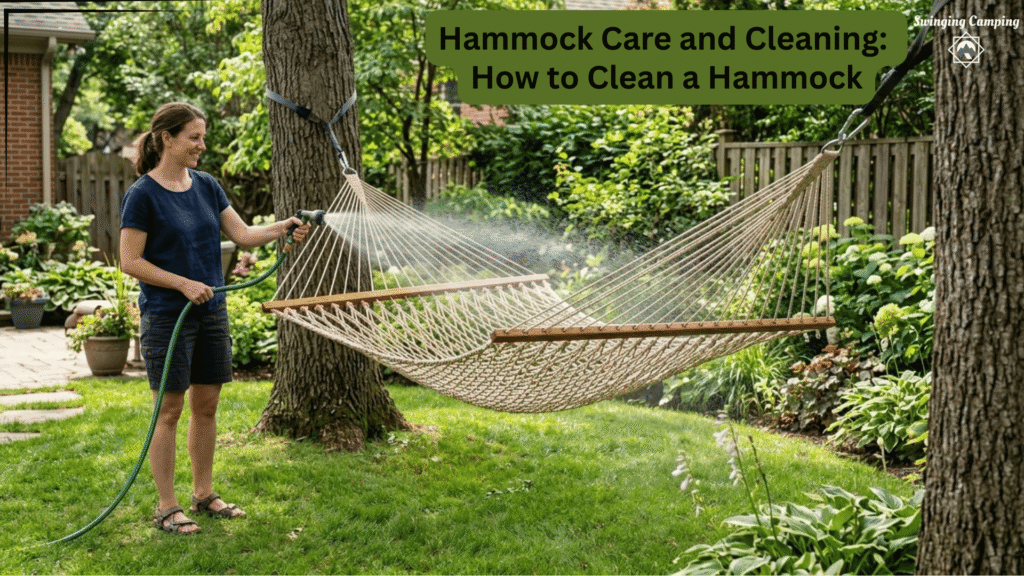
Hammock Care and Cleaning: How to Clean a Hammock
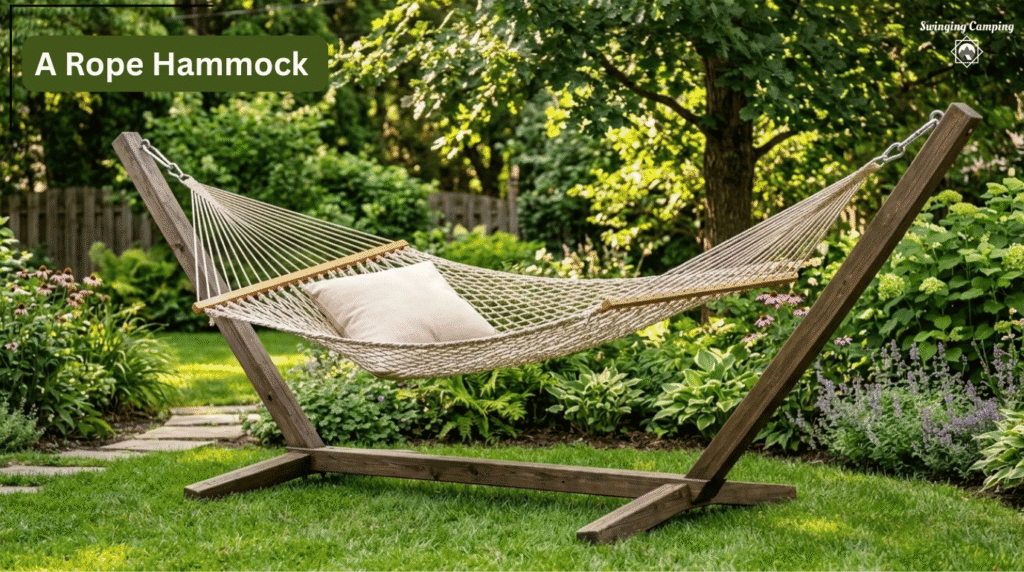
Rope hammocks are made from polyester rope that is soft and pliable. Therefore, it does not rot like cotton rope and should last for 15-20 years if properly maintained. There is a possibility that dirt and surface mildew will accumulate on the rope
Throughout this guide, you will be walked through the entire process step-by-step, cleaning a hammock, from checking the rope material to drying it correctly. Using this method, you can keep your hammock in good condition for a longer period of time, remove common dirt and stains, and clean it safely.
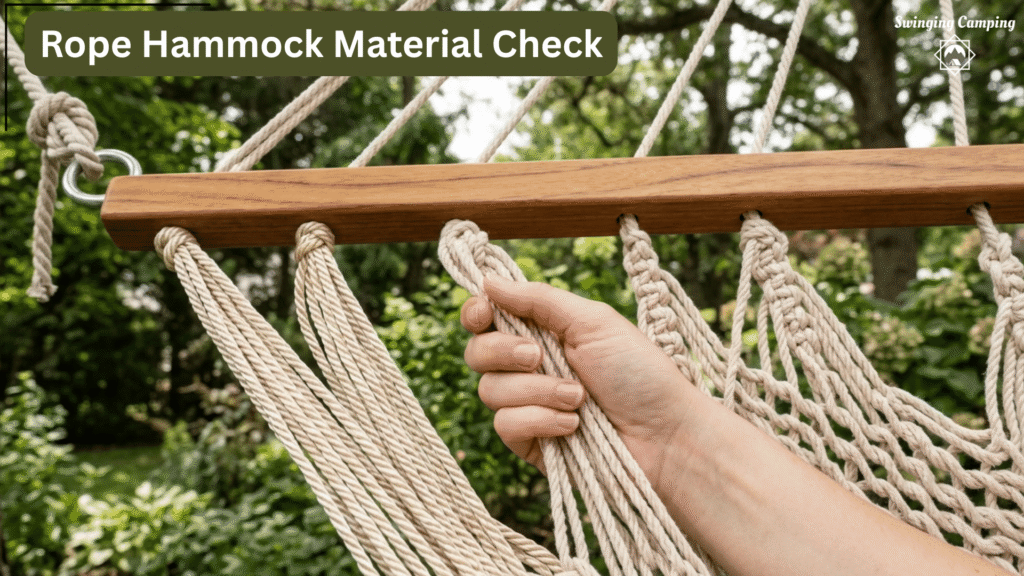
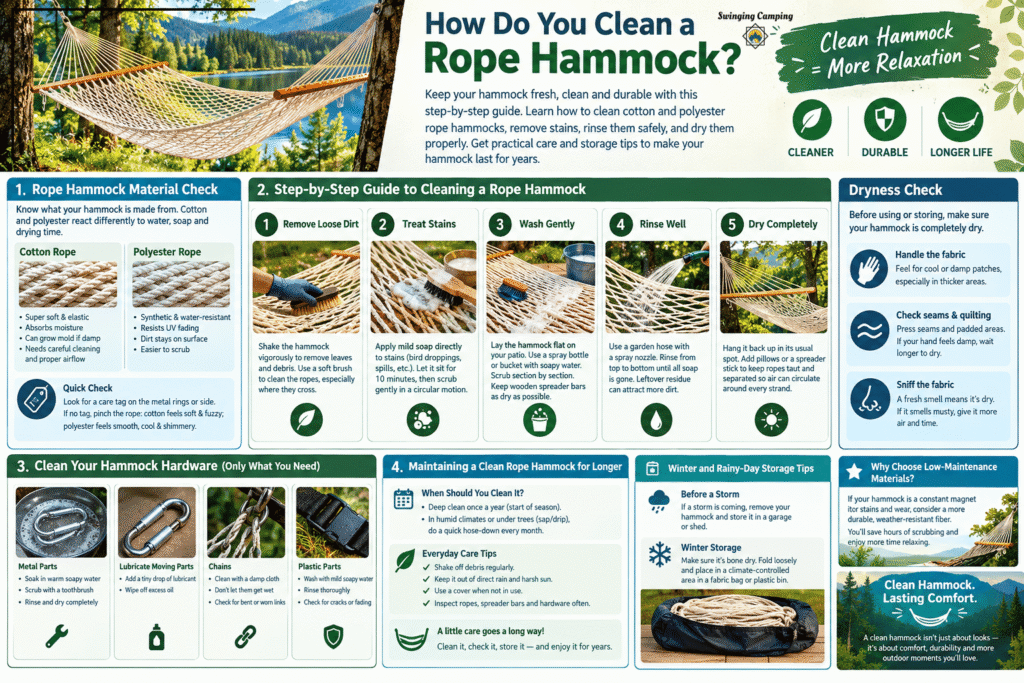
Rope Hammock Material Check
Make sure you know what type of rope your hammock is made from before you begin cleaning hammock. The reason why this is important is that cotton and synthetic ropes react differently with water, soap, and drying time.
The Cotton Rope Hammock
It is well known that cotton is an excellent choice because of its incredible softness and elasticity. The downside of cotton is that it is an organic fiber, which means that it loves to absorb moisture, which may cause mold to grow if it remains damp for an extended period of time.
It is important to clean hammock made of cotton carefully and allow it to dry in an area with ample airflow.
A Polyester and Outdoor Rope Hammock
The fibers in these products are synthetic and do not absorb water the way cotton does. In general, they exhibit a greater resistance to fading caused by ultraviolet rays. Since the dirt does not penetrate the fibers’ core, it is much easier to scrub them.
A Step-by-Step Guide to Cleaning a Rope Hammock
The following steps will ensure a deep clean hammock that preserves the integrity of the rope and wooden spreader bars.
Step 1: Get Rid of The Dirt By Scrubbing it off
Make sure you shake your hammock vigorously before getting it wet to get rid of leaves and pine needles. Go over the rope with your soft brush, paying special attention to the areas where the ropes cross.
Step 2: Getting Rid of Stains The Easy Way
Look for stains caused by bird droppings and spilled drinks. To remove the spot, apply undiluted mild soap directly to it and let it sit for about ten minutes. Using a soft brush, gently scrub the area in a circular motion until you see the stain lifting.
Step 3: Gently Wash The Hammock
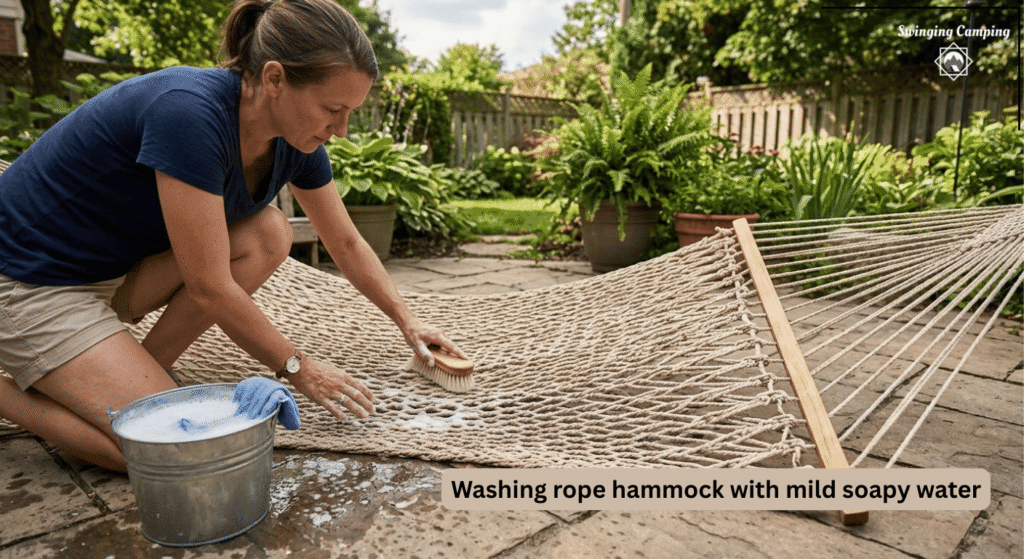
Place the hammock on your patio flat. The ropes can be cleaned with a spray bottle or bucket filled with soapy water. Section by section, scrub the ropes. For hammocks with wooden spreader bars, it is important to keep them as dry as possible in order to prevent warping, mold growth, or cracking of the finish.
Step 4: Rinse Until You Get Clear Water
You can rinse the rope hammock with a garden hose with a standard spray nozzle. Take it from the top to the bottom. Make sure you get all the soap out before using the hammock again, because leftover residue can attract more dirt. You need to keep rinsing until bubbles and suds disappear.
Step 5: Let It Dry Completely
It’s best to hang the hammock back up where it usually hangs to dry. In order to speed up the process and prevent the ropes from shrinking, a few heavy pillows or a “spreader” stick should be inserted inside the hammock bed in order to keep the ropes taut and separate from one another.
By doing so, air is allowed to circulate around every strand.
Dryness Check
1: Handle the fabric
Feel all areas, particularly the thicker ones. In most cases, cold or cool patches indicate that water is still trapped inside.
2: Seams and Quilting
Use a clean finger to press along seams and padded areas. You should wait for the rope hammock to dry for a longer period of time if your hand feels damp.
3: Sniff the fabric
Taking a light sniff at the clean hammock’s fabric once it feels dry is a great way to see if it is comfortable. If it smells musty, it needs to be stored with more fresh air.
Hammock Hardware Cleaning: Only What You Need
Despite the appearance of a good fabric, metal and straps can fail.
Metal parts:
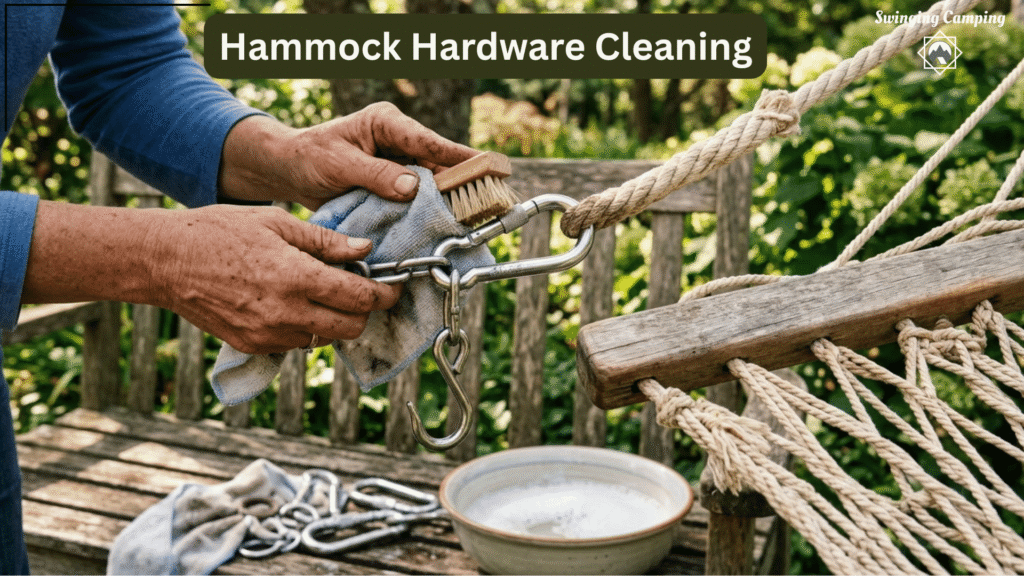
For cleaning metal parts, soak the carabiners and metal pieces in warm soapy water for a few minutes. Use an old toothbrush to scrub gently, then rinse and thoroughly dry.
Lubricate moving parts:
If a clip or hinge feels stiff, add a tiny drop. Make sure that any extra oil is wiped off so that it does not collect dust.
The chains:
Getting rid of dirt on chains can be done with a damp cloth. Don’t let them get wet, and watch out for bent or worn links.
Plastic parts:
It is recommended to clean plastic parts with mild soapy water and to rinse them thoroughly afterward. Examine the fabric for cracks or fading caused by sun exposure
Maintaining a Clean Rope Hammock for Longer
In comparison to a deep scrub, maintenance is much easier. Several simple habits can help you prolong the interval between major cleaning hammocks.
When should you clean it?
The majority of people find it sufficient to perform a deep cleaning once a year at the beginning of the season. When you live in a humid climate or keep your rope hammock under trees that drip sap, you may want to give it a quick “hose-down” every month.
Winter and Rainy-Day Storage Tips
A rope hammock is most vulnerable to moisture when it is left unattended for an extended period of time.
Weather:
If you know a storm is imminent, remove your rope hammock and store it in a garage or shed.
Winter storage:
Do not store a damp hammock during the winter months. It should be bone dry before being folded loosely and placed in a climate-controlled area in a fabric bag or plastic bin.
Why Choose Low-Maintenance Materials?
The time may be ripe for switching to a more durable hanging rope hammock if your current hammock is a constant magnet for stains and is showing signs of wear and tear. You can save hours of scrubbing by selecting a hammock made of modern, weather-resistant fibers.
Conclusion: How Do You Clean a Rope Hammock?
Cleaning a rope hammock is simple when you use the right method for its material. By removing dirt, gently scrubbing stains, rinsing thoroughly, and allowing the hammock to dry completely, you can help prevent mildew and extend its lifespan.
Regular cleaning and proper storage will keep your rope hammock comfortable, clean, and ready for outdoor relaxation.
Best Hanging Hammocks Comparison Table
|
|
|
|
| |
Product | |||||
Star Rating | 4.9/5
| 4.63/5
| 4.45/5
| 3.57/5
| 4.66/5
|
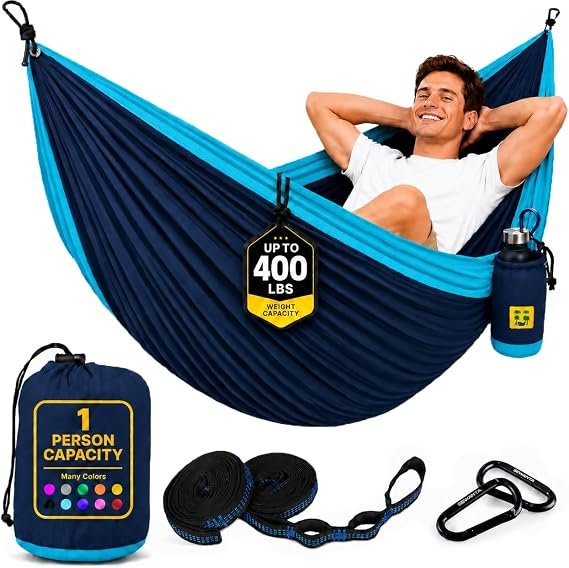
Bottom Line | A durable, lightweight 2-person hammock with 500-lb capacity and adjustable tree straps, ideal for camping and travel. | A durable, easy-to-set-up hammock with single and double sizes, perfect for camping and travel. | A durable, lightweight 2-person hammock with adjustable tree straps, perfect for camping and outdoor relaxation. | A lightweight, durable double hammock with 500-lb capacity, perfect for camping and outdoor relaxation. | A lightweight, durable nylon hammock with a built-in bug net and adjustable straps, perfect for camping, hiking, and relaxing outdoors. |
Material | Medium | Nylon | Medium | Nylon | Nylon |
Product Dimensions | 106.3"L x 55.1"W | 10"L x 15"W | 106"L x 55"W | 120"L x 78"W | 106"L x 55"W |
Maximum Weight Recommendation | 500 pounds | 400 pounds | 500 pounds | 400 pounds | 500 pounds |
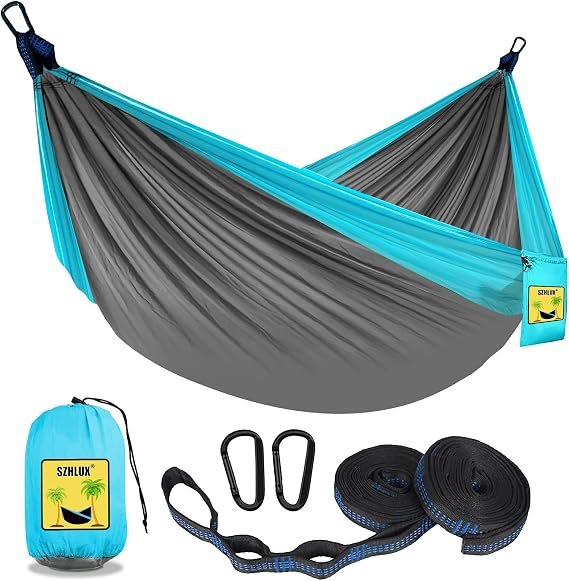
Color | Black & Grey | Blue & Light Blue | Light Grey & Sky Blue | Fuchsia & Sky Blue | A Green/Khahi |

Our Expert Team
Meet our team of outdoor enthusiasts and camping gear researchers! We explore, research, compare, and review outdoor products to help take the guesswork out of choosing the right camping gear. We focus on the important questions about quality, comfort, durability, usability, value, and real-world performance so you can spend less time researching and more time enjoying the outdoors. To learn more about our team and what we do, check out our About Us page.
Why You Should Trust Swinging Camping
At Swinging Camping, we’re passionate about creating better outdoor experiences. Our team carefully researches and tests camping gear to ensure it meets high standards for comfort, safety, and durability.
In addition, we focus on honest, unbiased insights so you can make confident buying decisions. We also value sustainability and aim to recommend products that respect the outdoors we all enjoy.
With years of experience and thousands of happy customers, we work hard to provide reliable advice every time you plan your next adventure.
FAQ About
Rope hammocks last between 3 and 15 years, depending on the material and how well you care for them.
Yes, you can machine wash many synthetic and parachute nylon hammocks, but you should always check the manufacturer's care label first.
Sleeping in a hammock every night can be safe and comfortable for some people, but there is Healthline minimal formal research on long-term full-time use
Yes, you can wash mold and mildew out of a hammock using simple household items like white vinegar, mild soap, and water.
To clean a rope hammock, lay it flat on a tarp or submerge the rope in a kiddie pool or bathtub using warm water and a mild detergent or oxygen cleaner like OxiClea
Rope hammocks are generally safe when installed correctly, hung at a low height, and used according to the manufacturer's weight limits. However, they do carry specific risks compared to solid fabric hammocks, particularly regarding tipping, stability, and use by young children
Why You Can Trust Our Reviews
Reviews for "Swinging Camping":

How to Hammock Camp With a Dog?
() Learn “How to Hammock Camp With a Dog?” With these simple tips from Swinging Camping. Discover how to prepare

How To Hang a Hammock Using Rope?
() Learn “How To Hang a Hammock Using Rope?” With this easy step-by-step guide from Swinging Camping. Discover how to
How To Tie a Hammock With Straps?
() Learn “How to Tie a Hammock With Straps?” With this simple guide from Swinging Camping. Discover how to choose

How Much Weight Can a Hammock Hold?
() Wondering “How Much Weight Can a Hammock Hold?” This guide from Swinging Camping explains hammock weight limits by style
How Do You Comfortably Camp in a Hammock?
() Learn “How Do You Comfortably Camp in a Hammock?” with this practical guide by Swinging Camping. Discover how to

How To Clean Hammock?
() Learn “How To Clean a Hammock?” with this complete step-by-step guide from Swinging Camping. Discover how to clean rope,
How useful was this post?
Click on a star to rate it!
Average rating / 5. Vote count:
No votes so far! Be the first to rate this post.